


Seasonal changes significantly impact mental health, an aspect often overlooked daily. As seasons shift, so do the moods and behaviors of many individuals. This phenomenon, partially attributed to Seasonal Affective Disorder (SAD), affects a considerable portion of the population. This article delves into the various dimensions of how changing seasons influence mental health. It explores biological factors, psychological effects, and coping strategies, providing insights into how seasons affect our well-being. Recognizing and understanding these impacts is crucial for maintaining mental health and overall wellness throughout the year.
Understanding Seasonal Affective Disorder (SAD)
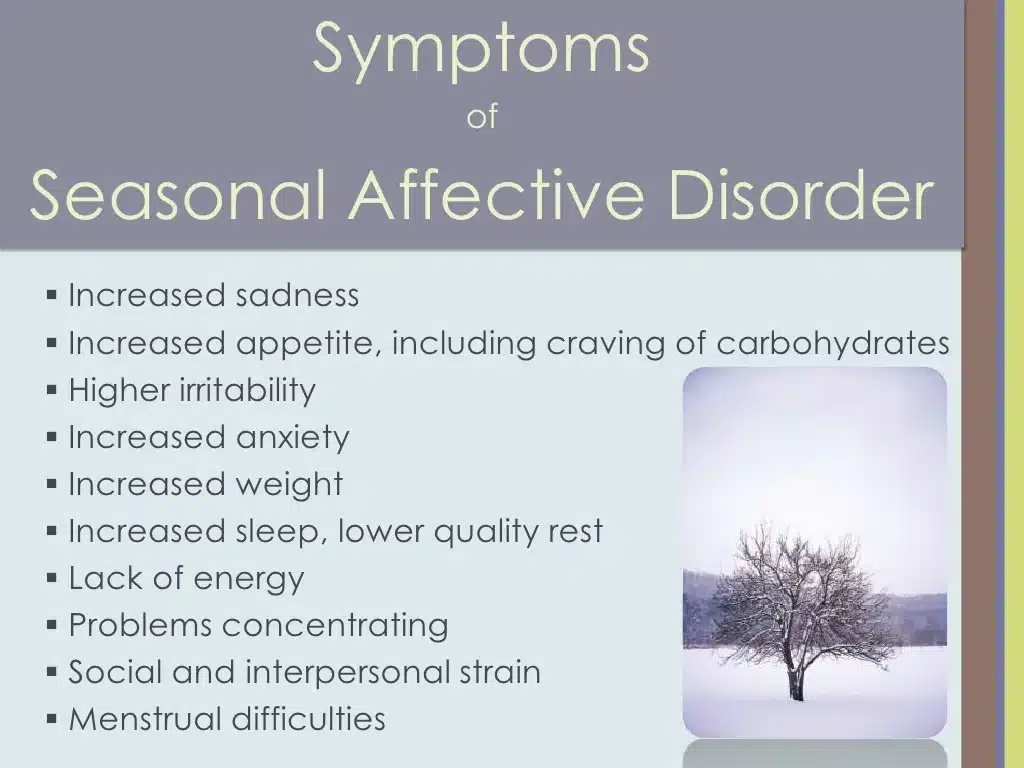
Seasonal Affective Disorder (SAD) is a type of depression that corresponds with seasonal changes, primarily noted in late fall and winter. It’s characterized by symptoms such as persistent low mood, lack of energy, and changes in sleep and appetite, mirroring those of traditional depression but with a clear seasonal pattern. While often associated with winter, SAD can also occur in summer, though less commonly, with symptoms like insomnia, weight loss, and anxiety.
The prevalence of SAD varies geographically and demographically. It’s more common in areas far from the equator, where seasonal changes are more pronounced. Women and younger adults are typically more susceptible to SAD, highlighting the need for targeted awareness and support strategies for these groups. Understanding SAD’s symptoms and patterns is the first step in mitigating its impact on mental health.
Biological Factors Behind Seasonal Mood Changes

The influence of sunlight on mood is a primary biological factor contributing to seasonal mood variations. Sunlight regulates melatonin, a hormone that influences sleep patterns. Reduced sunlight in winter can disrupt the body’s internal clock, leading to feelings of depression and lethargy. This disturbance in circadian rhythms can significantly affect mental health, emphasizing the importance of exposure to natural light.
Vitamin D, often called ‘sunshine vitamin,’ is crucial in mood regulation. Lower levels of sunlight in the colder months can lead to a deficiency in Vitamin D, which is linked to symptoms of depression. Ensuring adequate Vitamin D intake, whether through diet or supplements, is vital for mental well-being, especially in seasons with limited sunlight exposure.
Psychological Effects of Seasonal Changes

Different seasons elicit varied emotional responses. With its shorter days and colder weather, winter often leads to a ‘hibernation mode,’ where individuals feel more lethargic and less motivated. This seasonal shift can foster sadness or low mood, commonly called the ‘winter blues.’ In contrast, summer brings longer days and warmer weather, typically associated with increased energy, uplifted mood, and a higher propensity for social activities.
However, these seasonal shifts can also bring challenges. The pressure to be active and social in the summer can be overwhelming for some, just as the isolation of winter can exacerbate feelings of loneliness. Understanding these psychological effects is crucial for developing coping mechanisms and support systems to maintain mental health throughout the year.
Coping Strategies for Seasonal Mental Health Challenges

Light therapy has emerged as an effective treatment for SAD, especially in the winter months. Exposure to a light box can mimic natural sunlight, helping to regulate mood and improve symptoms. This therapy highlights the importance of light exposure in maintaining mental health during seasons with limited natural sunlight.
Maintaining a regular schedule is also essential. Regular sleep patterns and a consistent daily routine can help stabilize mood and improve overall mental health. Physical exercise, particularly outdoors, can be beneficial. It provides exposure to natural light and releases endorphins, which have mood-boosting effects. Adopting these strategies can significantly mitigate the mental health challenges associated with seasonal changes.