Seasonal changes significantly impact mental health, an aspect often overlooked daily. As seasons shift, so do the moods and behaviors of many individuals. This phenomenon, partially attributed to Seasonal Affective Disorder (SAD), affects a considerable portion of the population. This article delves into the various dimensions of how changing seasons influence mental health. It explores biological factors, psychological effects, and coping strategies, providing insights into how seasons affect our well-being. Recognizing and understanding these impacts is crucial for maintaining mental health and overall wellness throughout the year.
Contents
- 1 Understanding Seasonal Affective Disorder (SAD)
- 2 Biological Factors Behind Seasonal Mood Changes
- 3 Psychological Effects of Seasonal Changes
- 4 Coping Strategies for Seasonal Mental Health Challenges
- 5 Diet and Nutrition in Seasonal Mental Health
- 6 The Role of Social Interaction in Seasonal Mental Health
- 7 Seasonal Changes and Mental Health in Children and Adolescents
- 8 Workplace and Seasonal Mental Health
- 9 The Bottom Line
Understanding Seasonal Affective Disorder (SAD)
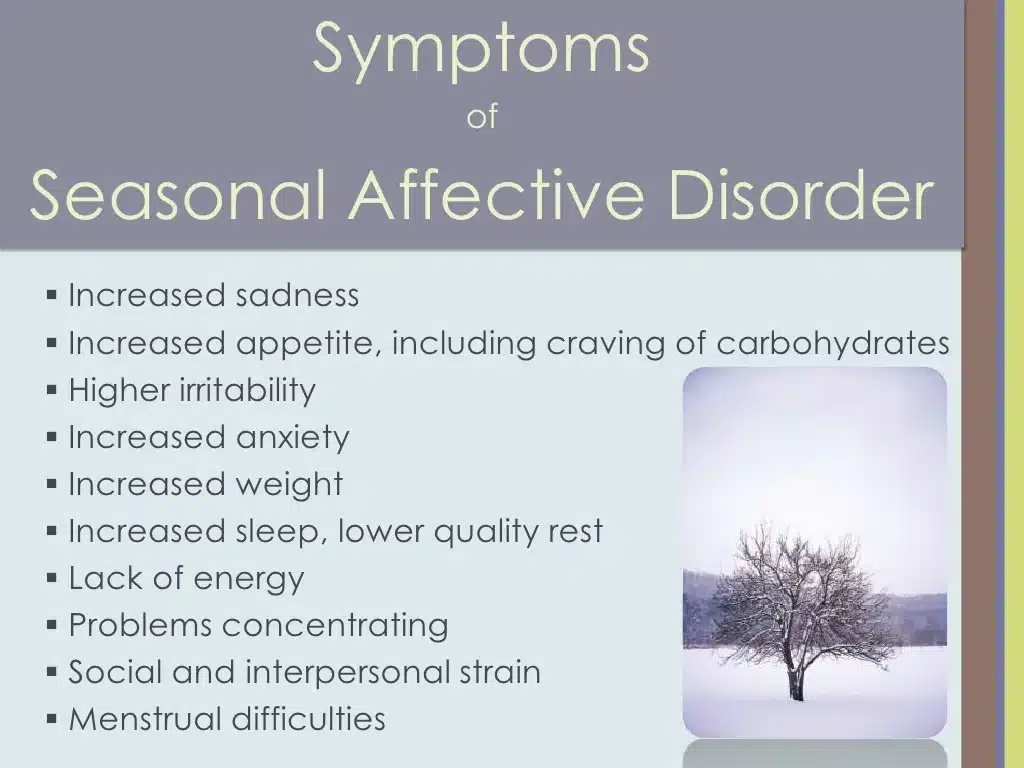
Seasonal Affective Disorder (SAD) is a type of depression that corresponds with seasonal changes, primarily noted in late fall and winter. It’s characterized by symptoms such as persistent low mood, lack of energy, and changes in sleep and appetite, mirroring those of traditional depression but with a clear seasonal pattern. While often associated with winter, SAD can also occur in summer, though less commonly, with symptoms like insomnia, weight loss, and anxiety.
The prevalence of SAD varies geographically and demographically. It’s more common in areas far from the equator, where seasonal changes are more pronounced. Women and younger adults are typically more susceptible to SAD, highlighting the need for targeted awareness and support strategies for these groups. Understanding SAD’s symptoms and patterns is the first step in mitigating its impact on mental health.
Biological Factors Behind Seasonal Mood Changes

The influence of sunlight on mood is a primary biological factor contributing to seasonal mood variations. Sunlight regulates melatonin, a hormone that influences sleep patterns. Reduced sunlight in winter can disrupt the body’s internal clock, leading to feelings of depression and lethargy. This disturbance in circadian rhythms can significantly affect mental health, emphasizing the importance of exposure to natural light.
Vitamin D, often called ‘sunshine vitamin,’ is crucial in mood regulation. Lower levels of sunlight in the colder months can lead to a deficiency in Vitamin D, which is linked to symptoms of depression. Ensuring adequate Vitamin D intake, whether through diet or supplements, is vital for mental well-being, especially in seasons with limited sunlight exposure.
Psychological Effects of Seasonal Changes

Different seasons elicit varied emotional responses. With its shorter days and colder weather, winter often leads to a ‘hibernation mode,’ where individuals feel more lethargic and less motivated. This seasonal shift can foster sadness or low mood, commonly called the ‘winter blues.’ In contrast, summer brings longer days and warmer weather, typically associated with increased energy, uplifted mood, and a higher propensity for social activities.
However, these seasonal shifts can also bring challenges. The pressure to be active and social in the summer can be overwhelming for some, just as the isolation of winter can exacerbate feelings of loneliness. Understanding these psychological effects is crucial for developing coping mechanisms and support systems to maintain mental health throughout the year.
Coping Strategies for Seasonal Mental Health Challenges

Light therapy has emerged as an effective treatment for SAD, especially in the winter months. Exposure to a light box can mimic natural sunlight, helping to regulate mood and improve symptoms. This therapy highlights the importance of light exposure in maintaining mental health during seasons with limited natural sunlight.
Maintaining a regular schedule is also essential. Regular sleep patterns and a consistent daily routine can help stabilize mood and improve overall mental health. Physical exercise, particularly outdoors, can be beneficial. It provides exposure to natural light and releases endorphins, which have mood-boosting effects. Adopting these strategies can significantly mitigate the mental health challenges associated with seasonal changes.
Diet and Nutrition in Seasonal Mental Health

The role of diet and nutrition in mental health cannot be understated, especially concerning seasonal changes. A balanced diet rich in nutrients is crucial for maintaining mental well-being. Seasonal fruits and vegetables, whole grains, lean proteins, and healthy fats should be staples in the diet. These foods provide essential nutrients that can help counterbalance the effects of seasonal mood changes.
Hydration also plays a critical role in mental health, a fact often overlooked. Dehydration can lead to fatigue, irritability, and difficulty concentrating, exacerbating the symptoms of seasonal mood disorders. Ensuring adequate water intake is a simple yet effective way to support mental health throughout the year.
The Role of Social Interaction in Seasonal Mental Health

Social interaction significantly impacts mental health during seasonal changes. In warmer months, increased daylight hours and pleasant weather often encourage outdoor activities and social gatherings, contributing positively to mental well-being. However, during colder months, reduced social interaction can lead to feelings of loneliness and isolation, exacerbating mental health issues.
Staying connected with others through social media, phone calls, or safe gatherings is crucial, especially during less pleasant seasons like winter. Engaging in community activities or joining clubs can also provide much-needed social interaction. For those who experience increased social anxiety during busier seasons, it’s important to find a comfortable balance and seek activities that feel manageable and enjoyable.
Seasonal Changes and Mental Health in Children and Adolescents

Children and adolescents are particularly susceptible to the mental health effects of seasonal changes. Younger individuals may exhibit mood swings, changes in sleep patterns, and altered behavior as the seasons shift. Parents and educators must recognize these changes and provide appropriate support.
During winter, ensuring children get enough physical activity and exposure to natural light can help mitigate the effects of reduced daylight hours. In contrast, during the summer, maintaining a structured routine despite the break from school can provide stability and reduce anxiety. Encouraging open conversations about feelings and moods can also help young individuals understand and cope with the seasonal impacts on their mental health.
Workplace and Seasonal Mental Health

Seasonal changes also affect mental health in the workplace. During winter, shorter daylight hours can lead to decreased employee energy and motivation. Conversely, during summer, distractions from outdoor activities can impact productivity. Employers can play a significant role in supporting their employees’ mental health during these seasonal shifts.
Simple measures like ensuring adequate lighting in the workplace, offering flexible working hours, and encouraging breaks for physical activity can make a substantial difference. Employers should also be mindful of the potential for seasonal mood disorders and offer support or adjustments as needed. Creating a workplace culture that recognizes and accommodates the mental health needs of employees is vital for their well-being and the organization’s overall productivity.
The Bottom Line
Seasonal changes profoundly impact mental health, an aspect of well-being that requires attention and understanding. From individual coping strategies to broader societal and cultural considerations, it’s clear that the changing seasons affect us in multifaceted ways. By acknowledging these impacts and taking proactive steps through personal habits, community support, or workplace initiatives, we can better navigate the challenges and embrace the shifts each season brings. Embracing this cyclical change is key to maintaining a balanced and healthy mental state throughout the year.


