
Contents
VR And Live Events: A New Frontier

Virtual reality technology has begun to revolutionize the way live events are experienced. Concerts, sports events, and theater performances can now be enjoyed in VR, offering a front-row experience from the comfort of one’s home. This shift is particularly significant in the context of global events that restrict physical attendance, as VR provides an alternative that is both safe and immersive. By wearing a VR headset, users can experience the energy and excitement of live events, complete with the ability to look around and even interact with other virtual attendees.
The potential of VR in live events extends beyond just viewing. It allows for interactive and personalized experiences that traditional broadcasts cannot match. Fans can choose different viewpoints, focus on specific aspects of the event, or access additional content like behind-the-scenes footage or interviews. This level of interactivity not only enhances the viewer’s experience but also opens up new avenues for event organizers and performers to connect with their audience. As VR technology improves, it’s expected that more live events will adopt this medium, offering unique experiences that blur the line between physical and virtual attendance.
Educational And Cultural Experiences In VR
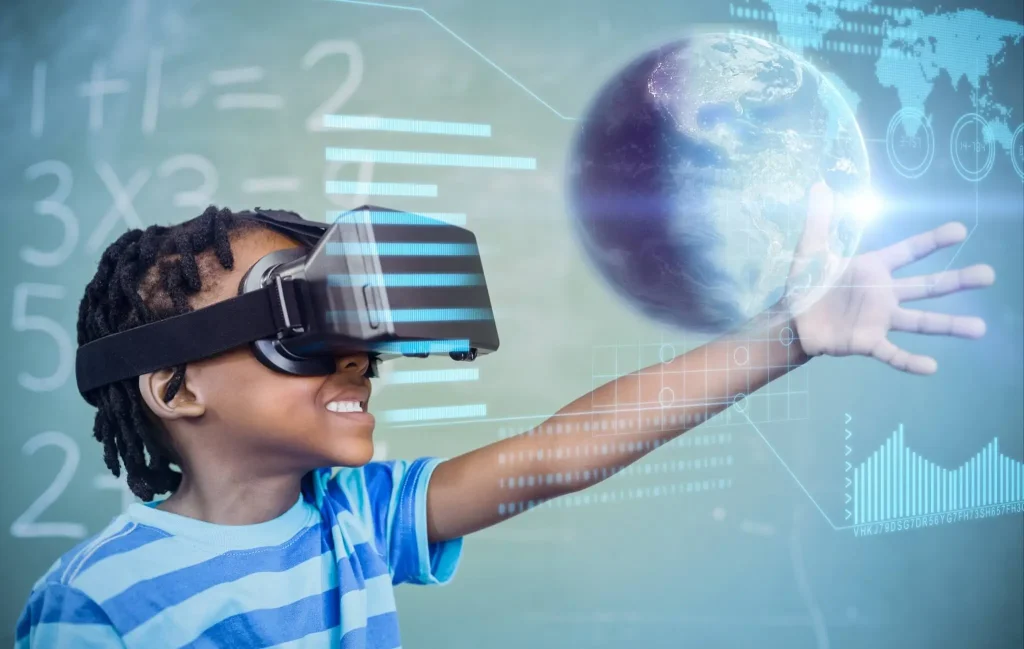
Virtual reality offers a powerful tool for educational and cultural experiences. Educational institutions and cultural organizations are utilizing VR to provide immersive learning experiences that were once impossible. Students can take virtual field trips to historical sites, explore the human body in 3D, or experience scientific phenomena up close. This hands-on approach to learning can enhance understanding and retention of complex subjects, making education both engaging and effective.
In the realm of cultural exploration, VR enables virtual visits to museums, art galleries, and heritage sites around the world. This democratizes access to culture and history, allowing people from all corners of the globe to explore and learn about different cultures and eras without the need for physical travel. Virtual reality experiences can also be enriched with interactive elements and information, providing a more comprehensive understanding than traditional visits. As VR technology becomes more widespread, its role in education and cultural exploration is set to expand, offering new opportunities for learning and discovery.
The Social Aspect Of VR Entertainment

Virtual reality is not just about individual experiences; it’s also fostering new forms of social interaction. Social VR platforms are emerging, allowing users to meet, interact, and share experiences with others in virtual spaces. These platforms are not limited by geography, enabling people from around the world to connect in ways that were previously unimaginable. Users can attend virtual parties, participate in multiplayer games, or simply hang out in virtual environments, creating a sense of community and belonging.
The future of socializing in virtual reality environments looks promising. As the technology continues to advance, these virtual spaces are becoming more realistic and interactive, offering a viable alternative to physical social interactions. The potential applications are vast, from virtual workspaces and educational settings to virtual tourism and online social gatherings. This evolution of social VR is not only changing how people interact with each other but also reshaping the concept of community in the digital age.
Challenges And Future Prospects

Despite the exciting advancements, VR in entertainment faces several challenges. Accessibility remains a significant hurdle, with high-quality VR equipment often being expensive and requiring substantial computing power. Additionally, some users experience motion sickness or discomfort while using VR, which can limit its appeal. Addressing these issues is crucial for VR to become more mainstream and accessible to a wider audience.
Looking ahead, the future of VR in entertainment is bright with potential. Technological advancements are expected to overcome current limitations, making VR more accessible and comfortable. Innovations in haptic feedback, visual fidelity, and user interfaces will enhance the realism and interactivity of VR experiences. As these improvements unfold, VR is poised to become an integral part of the entertainment landscape, offering experiences that are increasingly immersive and engaging.
The Bottom Line
Virtual reality is undeniably reshaping the entertainment industry, offering immersive experiences that traditional media cannot match. From gaming and movies to live events and social interactions, VR is expanding the boundaries of what is possible in entertainment. While challenges remain, particularly in terms of accessibility and user comfort, ongoing advancements in technology are addressing these issues. The potential of VR in entertainment is vast and still largely untapped, promising a future where virtual experiences become a regular part of daily life, transforming how people interact, learn, and entertain themselves.